What to Have Ready Before You Call About a Furnace That Won't Start
A cold house at night is stressful enough without wondering what to check first or what to tell the person on the phone.
September 9, 2026 · 3 min read
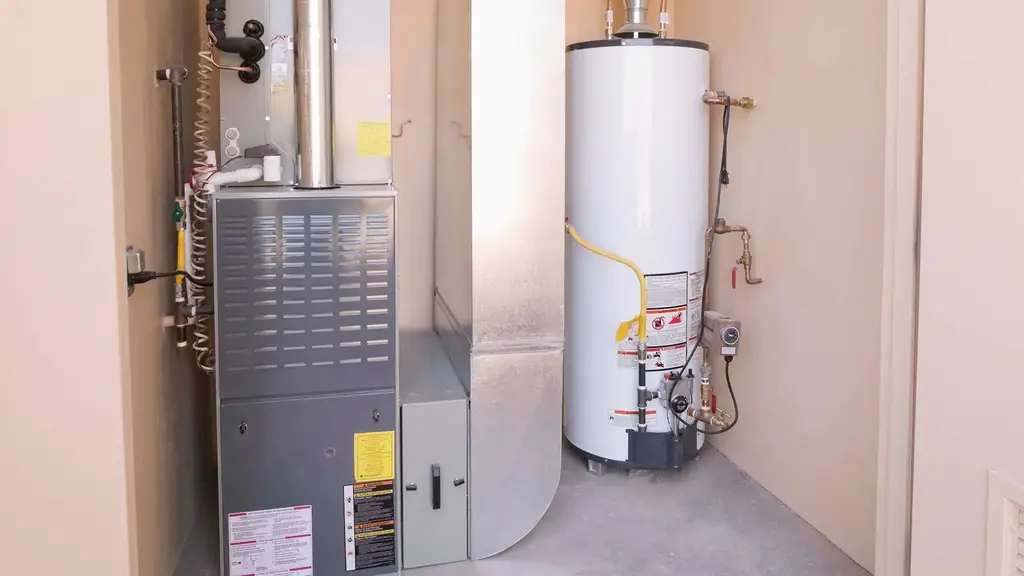
A surprising number of no-heat calls turn out to be something a homeowner can rule out, or sometimes even fix, in under five minutes. Before calling, it's worth checking the thermostat first: is it set to heat, is the temperature set above the current room temperature, and does it have working batteries if it uses them. Next, check the breaker box for a tripped breaker on the furnace circuit, and check for a blown fuse if the system uses one. Third, look for the furnace's own power switch, which looks exactly like a household light switch and is usually mounted on or near the furnace itself or at the top of the basement stairs. It gets bumped or switched off by accident more often than most homeowners would guess.
What else is worth a quick look
- The air filter, a filter clogged enough can trigger a safety shutdown on some furnaces
- The furnace's own display or status light, many furnaces flash an error code through a small window even when the whole unit looks dead
- The condensate line, on high-efficiency furnaces a clogged condensate drain can shut the unit down as a safety measure, the same way it does on an air conditioner
- Whether the pilot light is lit, on older furnaces that still use one
One thing that is never a wait-and-see situation
If there's any smell of gas anywhere near the furnace, leave the house, call the gas utility from outside, and only then call for HVAC service. That's not an HVAC problem to troubleshoot at home, it's a safety issue that gets handled by the gas company first, every time.
What to have ready when you call
Calling with a few basic details ready gets a technician moving faster once they arrive. It helps to know when the furnace stopped working and what, if anything, happened right before, such as a breaker tripping or a strange smell or sound. It also helps to know the thermostat's setting versus the actual room temperature, whether any error code is showing, and the furnace's brand if it's visible on the unit itself. None of this needs to be exact, a technician will confirm everything on site, but a clear starting point saves time on a night when a house is getting cold fast.
What a technician is often looking for once they arrive
Once the obvious homeowner checks are ruled out, a technician moves on to testing the parts that actually control ignition and airflow: the flame sensor, the igniter, the inducer motor that pulls combustion air through the system before the burners are allowed to fire, and the gas valve. One Archway customer's furnace stopped completely on one of the coldest mornings of the year, and the technician traced it to a failing inducer motor, got the part the next morning, and had the furnace running again that same afternoon. That's a fairly typical path for a real no-heat call: rule out the simple stuff first, then test the components that actually make ignition happen, one at a time.
What happens on an after-hours or holiday call
A furnace doesn't pick a convenient time to fail, and a fair number of no-heat calls come in on nights, weekends, and holidays. Archway answers the phone with a live person around the clock rather than routing calls to voicemail, and an after-hours call gets routed straight to the on-call technician. Members of Archway's maintenance programs get a discounted rate on after-hours and emergency calls rather than a standard overtime rate, on top of the priority scheduling that comes with the twice-a-year maintenance program itself.
While waiting for the technician to arrive, it's worth keeping the thermostat set where it normally is rather than turning it up as high as it will go, which doesn't heat the house any faster and just leaves the system straining once it does come back on. Setting out a couple of space heaters in the rooms people are actually using, kept well clear of curtains, furniture and anything flammable, is a reasonable way to stay comfortable in the meantime without doing anything to the furnace itself.
A cold house at ten o'clock on a Saturday night is stressful enough without wondering whether anyone's going to pick up the phone. Having someone answer, and having a technician on the way, tends to matter more in that moment than almost anything else about the service.
Archway Cooling & Heating, (618) 234-2810
Call (618) 234-2810More articles
What Actually Fails on a Home Air Conditioner
The compressor gets blamed for almost everything, but most air conditioner failures start with parts a lot smaller and a lot cheaper.
What a Belleville Summer Does to Your Outdoor AC Unit
An outdoor condenser sits outside through five months of Belleville summer, and what lands on it during that time matters more than most homeowners realize.