What Actually Fails on a Home Air Conditioner
The compressor gets blamed for almost everything, but most air conditioner failures start with parts a lot smaller and a lot cheaper.
September 9, 2026 · 4 min read
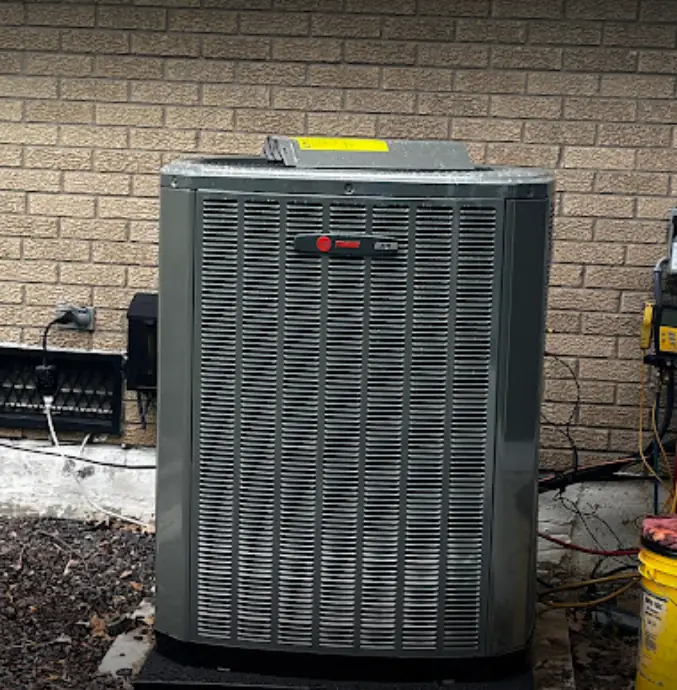
Most air conditioner failures don't start with the compressor. They start with something a lot smaller and a lot cheaper. The start capacitor is a good example. It's a cylindrical part about the size of a soda can that gives the compressor and the condenser fan motor the jolt of energy they need to start spinning. Capacitors wear out from heat and from the ordinary stress of cycling on and off all summer, and when one fails, the unit either hums and does nothing, the fan spins too slowly to move air, or the whole system refuses to start at all. A technician can usually test a capacitor with a multimeter in a couple of minutes and swap it in the same visit.
The small parts that take down the whole system
Capacitors aren't the only small part that causes big symptoms. A few others show up again and again on service calls, and none of them are dramatic to look at once you know what you're looking for.
- Start and run capacitors, which wear out from heat cycling and are almost always a same-visit fix
- The contactor, a relay that switches power to the compressor and outdoor fan, whose contacts pit and stick after years of cycling
- The condenser fan motor, where worn bearings make the motor overheat or seize so the fan stops turning and the whole unit runs hot
- The condensate drain line, which grows algae and collects debris until it clogs, backs up, and trips a safety switch that shuts the system down
- A dirty air filter, which restricts airflow across the indoor coil badly enough that the coil freezes solid and stops cooling altogether
The failures that cost more to fix
A refrigerant leak is a different problem entirely. Refrigerant doesn't get used up the way gasoline does in a car. If a system is low on charge, it's low because it's leaking somewhere, often at a coil, a fitting, or a spot on the copper line set that was nicked during an earlier repair or even during the original installation. Topping off the charge without finding and sealing the leak just means paying for the same refrigerant again next summer, and running a system low on charge for long stretches puts extra strain on the compressor. The other expensive failure mode is an outdoor coil so caked in cottonwood fluff, grass clippings and general yard debris that the unit can no longer reject heat the way it's supposed to. That raises head pressure, forces the compressor to work harder than it was built for, and wears it out faster than it should.
Why the compressor is the one nobody wants to hear about
The compressor is the most expensive single part in the system to replace, and it's usually the last thing to fail. It also tends to fail because something upstream got ignored for a season or two: a weak capacitor, restricted airflow, a slow refrigerant leak. None of those problems look dramatic on their own, which is exactly why they get put off. A twenty dollar capacitor left unreplaced can, over time, contribute to a compressor failure that costs many times more.
What this means for a system that is struggling right now
If a home's air conditioner is blowing warm air, short-cycling, or making a sound it didn't used to make, it's worth having someone look at the small parts before assuming the worst. NATE-certified technicians can usually tell within a few minutes whether the fix is a capacitor and a coil cleaning or something bigger. Archway's service techs aren't paid on commission and never will be, which matters most exactly in this moment, when a homeowner is trying to figure out whether they're being told the truth about what their system actually needs. Upfront pricing means the number quoted on the phone or at the door is the number on the invoice, no surprises once the panel comes off.
Signs worth calling about before a hot weekend
- Warm air coming from vents when the thermostat is set well below room temperature
- The outdoor unit clicking and trying to start but never spinning up
- Ice visible on the indoor coil or the copper lines running to it
- A musty smell when the system runs, often a sign of a clogged drain line
- Short cycling, where the unit shuts off within a few minutes of starting
Catching any of these early is usually the difference between a same-day repair and a system down in the middle of a heat wave with a house full of people waiting for it to cool off.
Archway Cooling & Heating, (618) 234-2810
Call (618) 234-2810More articles
What a Belleville Summer Does to Your Outdoor AC Unit
An outdoor condenser sits outside through five months of Belleville summer, and what lands on it during that time matters more than most homeowners realize.
What a Bi-Annual Maintenance Visit Actually Includes
Twice a year sounds like more than necessary until you consider that a furnace and an air conditioner run through two completely different seasons.